
The best wedding reception ideas are not really about adding more things to the night. They are about helping a room full of different people feel welcome, connected and ready to celebrate. A beautiful detail can set a tone, but guests remember the moments when they felt included: the first big cheer, the family song that brought people forward, the toast that landed, the dance floor that made it easy to stay for one more song.
That is good news for couples. You do not need to turn the reception into a production with a new attraction every fifteen minutes. Start with the mood you want, protect the flow of the evening and choose a handful of personal touches that serve that mood. A reception can be elegant, high-energy, relaxed or all three at different points. The common thread is a plan that makes sense for the people in the room.
Start with the feeling you want guests to carry home
Before saving ideas, decide what you want the reception to feel like. Do you picture a warm dinner where conversation carries the room, a lively party where everyone is on the floor, or a little of both? Are your guests mostly local friends who already know one another, or are you bringing together families from different places and generations? Those answers help you sort the ideas that will actually work from the ones that are only fun to look at online.
Try writing down three words for the night. They might be joyful, unhurried and personal, or stylish, loud and welcoming. Then test each idea against those words. A late-night snack, a group dance, a relaxed cocktail hour, a family tradition or a surprise song all have a place when they reinforce the feeling you want. If an idea needs a long explanation or pulls people away from the celebration, it may not be the one.
Think about the guest experience from arrival through the final song. People should know where to go, when something important is happening and when they are free to relax. That does not require constant announcements. It requires a few clear cues, a host who understands the plan and enough breathing room between formal moments.

Give the first hour a clear job
The beginning of a reception can feel scattered because guests are finding seats, greeting relatives and catching up after the ceremony. Rather than fighting that energy, give it a graceful shape. Cocktail hour and the first part of dinner are a chance for people to settle in. The music should support conversation, the bar and seating should be easy to find, and the couple should have a moment to arrive without being rushed into the next big thing.
A warm welcome is one of the simplest wedding reception ideas and one of the most useful. It might be a signature drink named for the couple, a short note at each place setting, a family photo display or simply music that feels like you. None of those details need to take over the room. Their job is to say that guests are in the right place and this night was planned with them in mind.
Save the big energy for when it has somewhere to go. Guests who have just sat down usually need a beat to talk, eat and take in the room. When the first announcement, toast or entrance arrives after that pause, people are much more ready to give it their attention. Our five-hour reception timeline shows how cocktail hour, dinner and dancing can have distinct jobs without making the night feel overly scheduled.
Choose one welcome moment that feels personal
Personal does not have to mean complicated. A favorite song as guests enter dinner, a short welcome from the couple, a photo of grandparents at their own wedding or a toast that brings both families into the room can be enough. The strongest choices are usually the ones that would still make sense if the décor disappeared. They tell guests something true about the people getting married.
If your wedding party is part of the welcome, keep the entrance easy and short. Give the master of ceremonies the correct names, the order of entry and a clear cue for what happens next. A band can build the room as people enter, while an original recording can be the right fit when a particular song matters. Couples weighing those formats can use our wedding party entrance ideas guide for practical ways to make the first big cheer feel natural rather than forced.
For family traditions, choose the moment before you choose the music or wording. A song that matters to a parent may be perfect during dinner, while a livelier family tradition might belong after the dance floor has opened. Putting every meaningful idea in the first hour can make the evening feel rushed. Spread the warmth across the night.
Make dinner feel like part of the celebration
Dinner is not dead time between the entrance and the party. It is the part of the night when guests reconnect, older relatives can enjoy the room and the couple has a chance to look around and take it all in. A thoughtful dinner plan protects that feeling. Keep the music present but comfortable, make sure key people know when to stand for a toast, and avoid stacking too many formal moments before anyone has had a chance to eat.
One or two well-timed toasts can be moving. Five in a row can drain the room. If several people want to speak, choose the voices most central to the day and encourage them to be concise. You can save long stories for a rehearsal dinner, an after-party or a written note. The goal is not to rush emotion. It is to let guests stay with it.
Food can be personal without becoming a separate performance. A favorite dessert, a late-night hometown snack or a family recipe can give guests a small, memorable detail. Just make sure the idea fits the service and the room. A station that creates a long line during a toast or a formal dance can interrupt the exact moment it was meant to improve.
Use music to change the room on purpose
Music is one of the clearest ways to guide a reception from one feeling to another. Softer selections can carry cocktail hour and dinner. A recognizable song can bring guests back together after a toast. A big entrance or first-dance transition can tell everyone that the formal portion is opening up. The important part is not picking a perfect list in advance. It is giving each musical stretch a job.
For dancing, begin where the room already is. A familiar song with a strong opening is often more welcoming than something chosen only for novelty. Once a few people are out there, the energy becomes social. Friends bring friends forward, parents see an opening to join in and the floor starts to feel like the center of the party instead of a stage that people have to brave alone.
Do not worry about pleasing every generation with every song. Build in a few moments for different parts of the room, then keep the momentum moving. A great reception often has a classic singalong, a song for the family, something current, a slow breath and another lift. Our wedding reception songs guide can help you place those choices across the evening instead of treating them as one long playlist.

Plan for guests who do not want to dance all night
A packed dance floor is exciting, but it is not the only sign of a successful reception. Some guests want to talk, some are traveling with children and some may be happiest watching the party with a drink and a good view. Give them a place to do that without making them feel removed from the celebration. Comfortable seating near the action, a quieter conversation area or a simple photo display can keep the room feeling connected.
Small interactive touches can also work when they are truly optional. A guest book with a meaningful prompt, a table photo, a card where guests can leave a date-night idea or a late-night dessert can give people a reason to participate without asking them to perform. The best choice is one that fits naturally into the room rather than pulling guests out of the moment.
Be careful with activities that need lengthy instructions, separate sign-ups or a large block of time. They can sound fun during planning, then compete with dinner, dancing and conversation when the night arrives. If an idea cannot survive a crowded room, a busy bar and a few minutes of delay, it may be better suited to a shower or rehearsal dinner.
Protect the handoffs between big moments
Most reception problems are not caused by a missing idea. They happen in the small gaps between good ideas. A toast ends and no one knows whether to sit or dance. The cake is ready but the photographer is not. The wedding party is waiting for an entrance cue that never comes. Those gaps are preventable when one person owns the run of show and the key vendors have the same version.
Make a short list of the moments that need a cue: entrances, toasts, first dance, parent dances, cake or dessert, bouquet or other traditions, any family song and the final sendoff. Add the approximate order, not a minute-by-minute script. Share it with the planner or venue coordinator, photographer and entertainment team. Everyone does not need to run the night, but everyone should know what is coming next.
Leave some flex in the plan. Dinner may run long, a relative may need an extra moment or the dance floor may be too good to interrupt right away. A flexible team can protect the feeling of the room while still making sure the moments that matter happen. That is more valuable than forcing every item into a rigid clock.
Pick a final stretch guests will want to stay for
The last hour has its own energy. Dinner is over, the formal moments are done and people are ready to either lean into the party or begin saying their goodbyes. A late-night snack, a favorite singalong, a smaller group of dance-floor requests or one final family song can give the night a satisfying close. You do not need all of them. Choose the one that feels most like your crowd.
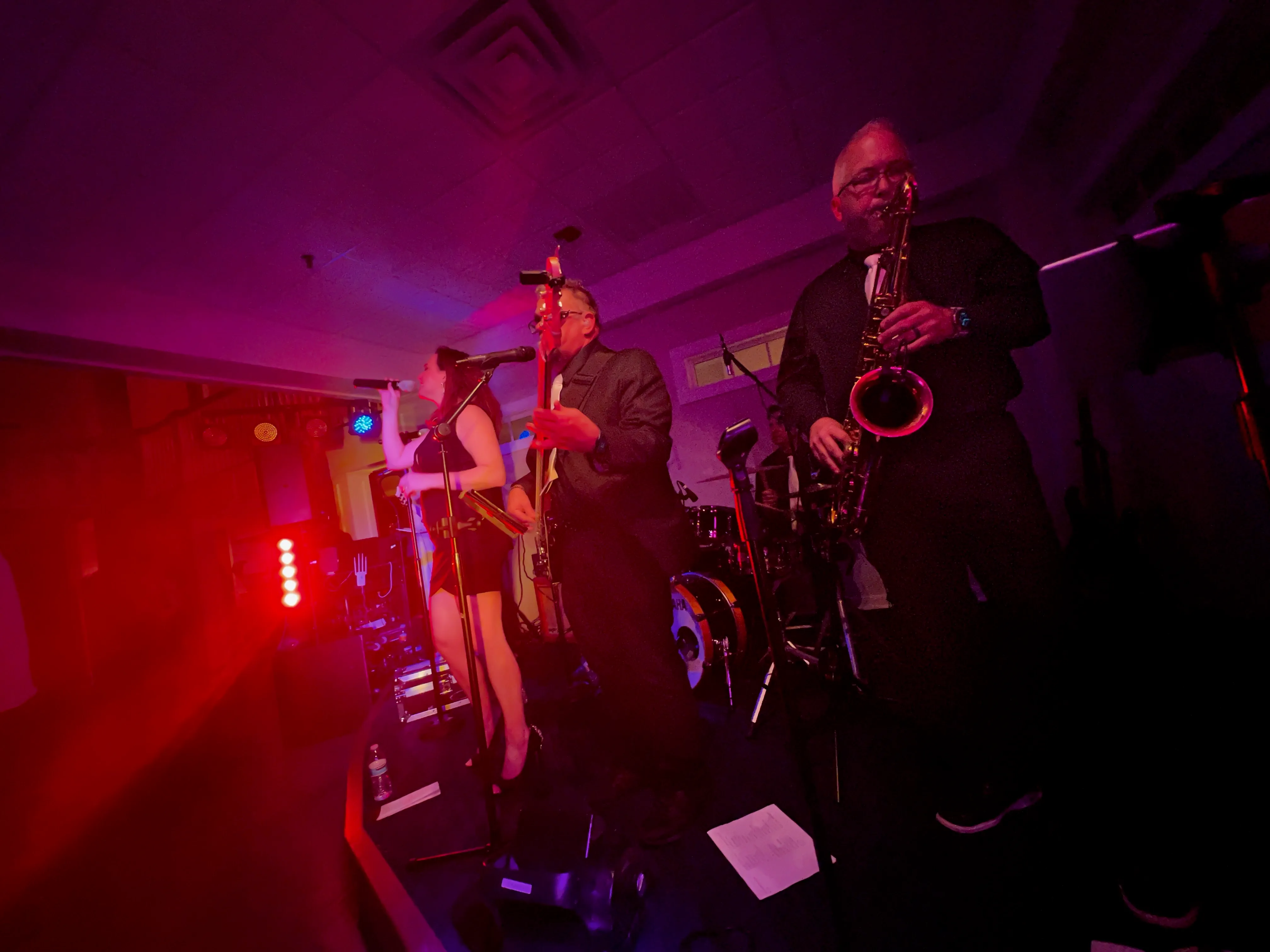
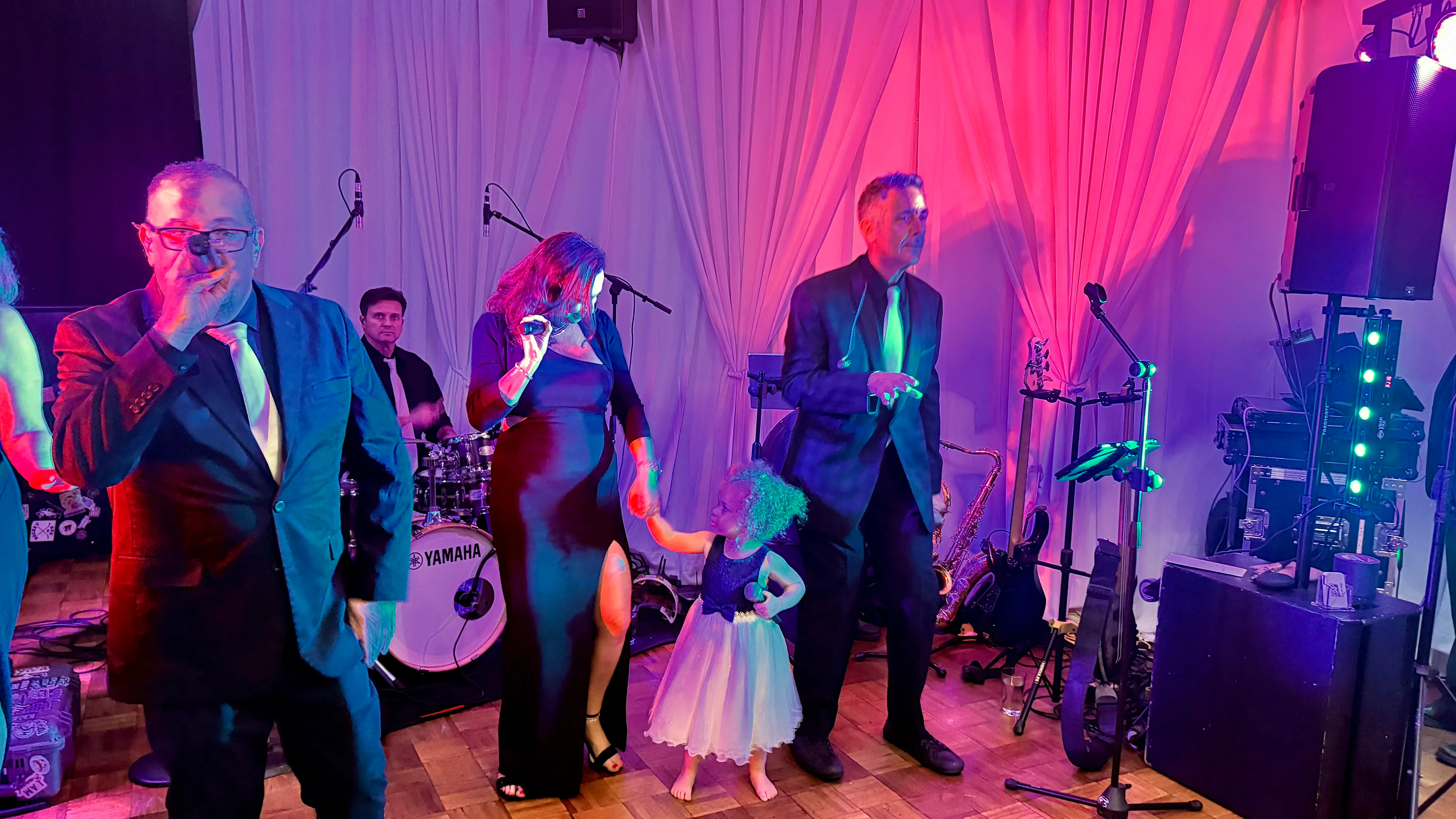
This is also where live music and original recordings can complement one another. A live band can respond to the room, extend a moment and keep the energy personal. Original tracks can be ideal for a particular version, remix or uninterrupted stretch of dancing. Bigg Romeo can add a trusted DJ when that combination serves the night, while Franco remains the master of ceremonies so the announcements and transitions still feel connected.
Before the last song, take a second to decide what you want to remember. Some couples want a big circle around the floor. Others want a quiet private dance while guests prepare to leave. Neither is more meaningful by default. Choose the ending that gives you a chance to look at the people who made the day feel like yours.
How Bigg Romeo helps ideas become a real reception
Bigg Romeo has spent decades helping couples turn a list of hopes into a reception that moves naturally. Direct planning with Franco makes it easier to sort out entrances, song priorities, announcements, family traditions and the timing that connects them. The band is there to create a real party, but also to make the transitions feel easy for the couple and their guests.
Explore Bigg Romeo’s wedding options, see the band in action on the video and music page, or check your date when you are ready to talk through the kind of reception you want to host.
Frequently asked questions
What makes a wedding reception memorable for guests?
Guests tend to remember how welcome they felt and whether the night had a natural rhythm. A few meaningful moments, clear transitions, good food and music that invites people in will usually matter more than a long list of expensive extras.
How many wedding reception ideas should we include?
Choose a few ideas that genuinely fit your people and your timeline. One thoughtful welcome, one personal tradition, one strong dance-floor plan and one late-night touch can feel far more polished than trying to fit every trend into the evening.
How can we make the dance floor feel less intimidating?
Start with music that a broad part of the room recognizes, let the formal moments lead naturally into open dancing and do not wait too long to invite people in. A responsive bandleader or DJ can read the room and change direction before the energy drops.
Can a live band and DJ work together at a wedding reception?
Yes. Bigg Romeo can add a trusted DJ for original recordings or an extended dance set while Franco remains the master of ceremonies. That keeps the announcements and transitions in one clear voice while giving couples more musical flexibility.