Planning a wedding reception gets much easier once you stop treating it like a list of traditions to fit in. Your reception is one shared experience: guests arrive, reconnect, eat, listen, dance and celebrate with you. The best plan gives the moments you care about a clear place, then leaves enough room for people to relax and enjoy the night.
Start with what cannot move. Then decide how you want the room to feel, which moments deserve everyone's attention and who will help each transition happen. That approach keeps the reception personal without asking you to choreograph every minute. It also gives your planner, venue and entertainment team the information they need to make good calls when real life changes the schedule.
This guide walks through the choices in the order they are easiest to make. Use it as a planning conversation, not a rulebook. A ballroom dinner, tented party and restaurant wedding can all flow beautifully when the timing and priorities suit the people in the room.
1. Start with the fixed times
Before choosing songs or formalities, confirm the framework of the evening. Note when guests enter the reception, when cocktail hour ends, when dinner service begins, when the bar closes and when music must end. Ask the venue about access, setup windows and any sound limits that affect the night. These details are the frame around every other decision.
Then find out what the meal will realistically require. Service time changes with guest count, room layout and meal style. A plated dinner moves differently from stations or a cocktail-style meal. Ask the caterer when they need the room seated, when they expect the last table to be served and whether they need a quiet window for speeches. A reception feels more generous when the schedule respects the time people actually need to eat and talk.
For a familiar starting point, The Knot's sample reception timeline shows how an evening can move from cocktails to dinner, formal moments and dancing. Treat any sample as a shape to adapt, not a schedule you have to copy. Your venue, family traditions and guest list should make the final call.

2. Decide what you want guests to remember
A good reception plan starts with a few priorities. Maybe you want a long dinner where people can catch up. Maybe you want the dance floor full early, a big wedding party entrance or a quiet family moment before the final song. Put those priorities in writing before deciding where every tradition goes. They will help you make a choice when two good ideas compete for the same ten minutes.
Keep the list honest. The moments you choose should sound fun or meaningful to you, not just familiar from someone else's wedding. Introductions, a first dance, parent dances, toasts, cake cutting, an anniversary dance, a private last dance and a sendoff are all optional. A smaller wedding may not need a formal entrance at all. A late-night crowd may care much more about an extra hour of music than another scheduled event.
It helps to sort the moments into three groups: essential, nice to have and easy to skip. That makes it much easier for the people running the evening to protect what matters when dinner runs late or a family photo takes longer than expected. Our wedding reception order guide shows several natural places for the traditional moments without making them feel stacked on top of each other.
3. Build the reception around natural energy changes
Most receptions have a few natural shifts in energy. Guest arrival is social and welcoming. Dinner is relaxed and conversational. A toast or first dance gathers attention. Open dancing is the shared release. The final song or exit gives everyone a clear ending. Your schedule does not need to announce every shift, but it should give each part of the night enough room to do its job.
One common mistake is putting all the formal moments in the first half-hour. Guests have barely found their tables, and the couple is suddenly moving from entrance to dance to toast to cake. Pick one opening moment that feels right, then let the room settle. You can bring in parent dances or speeches later, when they will feel like part of the evening rather than a rapid sequence of errands.
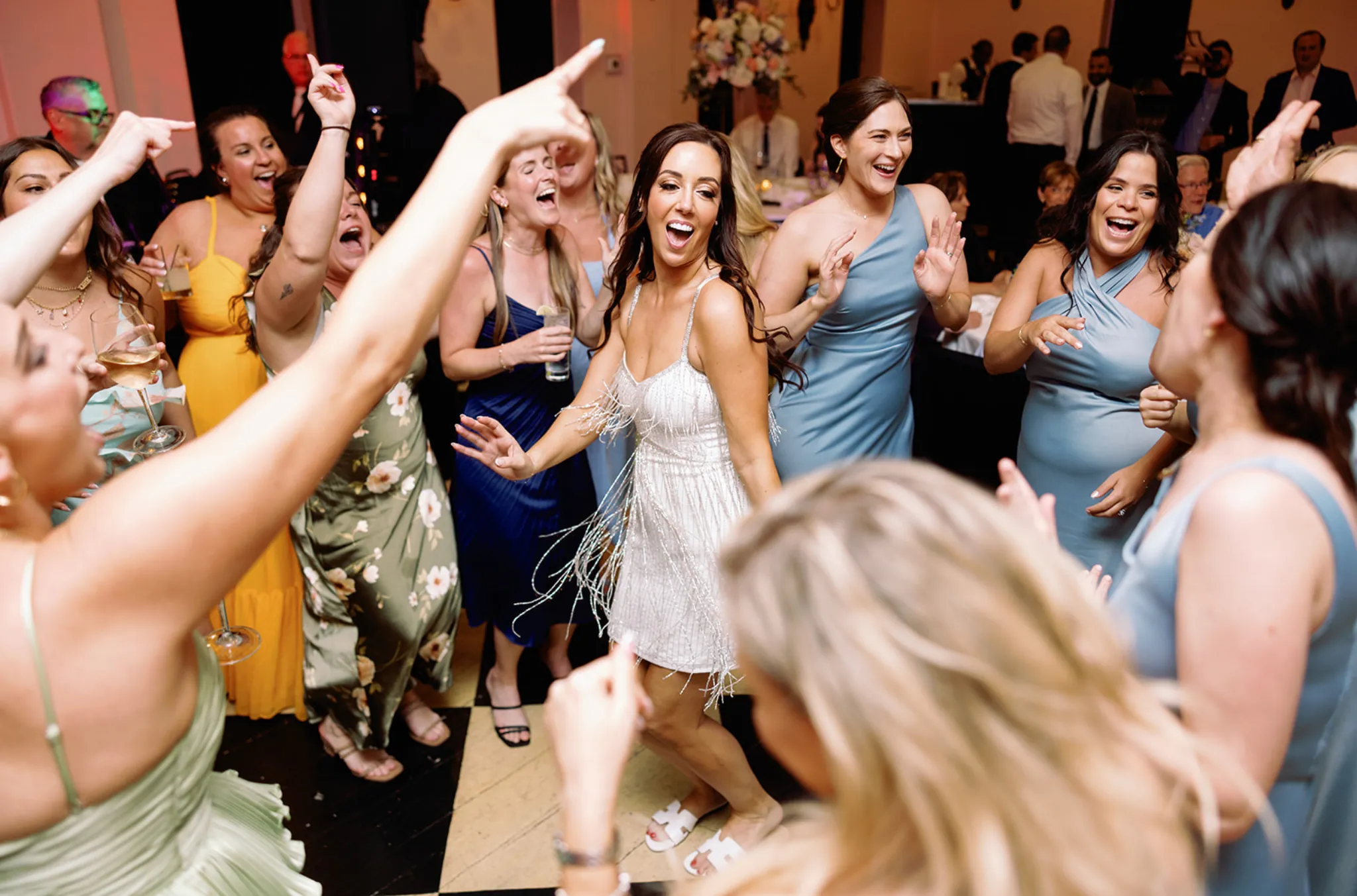
Also protect a genuine stretch of open dancing. Guests need a little time to notice the floor, join friends and feel that the party is underway. Group shorter formalities together or place them near dinner, then return to the floor for a meaningful run. The five-hour reception timeline is a useful example of how dinner, special moments and a big finish can share one evening.

4. Give every formal moment one clear handoff
The easiest receptions are not the ones with the most detailed spreadsheets. They are the ones where people know who has the next handoff. Decide who will tell the band you are ready for introductions, who will gather parents for dances, who will let the photographer know the cake is ready and who will give the signal when a toast should begin.
That person may be your planner, venue coordinator, maid of honor, family member or bandleader. It should not be you. You should not have to find a microphone, track down a parent or decide whether to delay a song while your guests are waiting. Give one point person a short version of the timeline and the authority to make the small day-of calls.
Keep the handoffs simple enough to use in the room. Before dinner, the coordinator can confirm when the band should invite guests to their seats. Before a speech, a designated family member can make sure the speaker is nearby and ready. Before a first dance, the photographer can be in place while the band confirms you are both ready. These small checks prevent the awkward pauses guests notice, without turning the reception into a tightly controlled production. If one part of the evening slips by ten minutes, the point person can shorten a transition or move a lower-priority moment instead of asking everyone to wait.
Share the same working plan with the planner, venue, caterer, photographer and entertainment team in the final weeks. The purpose is not to make the evening rigid. It lets each person see where their work overlaps with someone else's. Emily Post's wedding etiquette guidance centers the guest experience, and that is a useful standard here: a thoughtful handoff keeps guests from feeling the behind-the-scenes scramble.
5. Plan the music decisions that only you can make
Some songs need an exact cue. Choose those first: your entrance, first dance, parent dances, any cultural moment, cake song and final song. For each one, list the title, artist, preferred version and any cue that matters. You may want an entrance to start at the chorus or a parent dance to end after two minutes. Clear notes make those personal moments easier to deliver well.
For the rest of the reception, explain the feeling you want instead of trying to script the entire set. Think about whether cocktail hour should feel soulful, acoustic, jazzy or lively. Describe whether you want dinner to stay soft and familiar, and whether you picture a dance floor that builds slowly or comes in hot. A few examples give a live band useful direction while keeping the night responsive to the guests in front of them.
Make a short must-play list and an even shorter do-not-play list. A focused list tells the band what will make the night feel personal without turning live music into a queue of requests. Bigg Romeo's partial song list can help you spot favorites across decades, while our wedding reception songs guide explains how to organize the choices around the moments that matter.

6. Give the dance floor a real chance to build
A packed dance floor rarely happens because of one perfect song. It grows because the evening gives people a reason to join, then does not interrupt them every few minutes. Start with songs that make an early group comfortable stepping out. Once there is momentum, let the set build with recognizable hooks, singalongs and enough range for parents, friends, cousins and college roommates to all have a moment.
That does not mean the couple's taste disappears. It means the music creates shared moments as well as personal ones. A favorite song can bring your closest friends out. A classic chorus can pull several generations together. A well-timed current song can give younger guests their turn without clearing the room. A good band sees those openings and uses the plan you provided to make the next smart move.
Think about the last thirty minutes too. Decide whether you want one huge final song, a private last dance, a sparkler exit or a simple farewell. Share that choice with the photographer, planner and band before the day. An intentional ending lets everyone leave on the same emotional note instead of drifting toward the door when they notice the clock.
7. Turn the plan into a short day-of brief
In the final week, reduce the plan to one page. Include the venue address, key contacts, arrival times, the sequence of major moments, song cues, special requests and the person who can approve a quick change. The day-of version should be easy to read on a phone and useful to the people who need to act on it.
Review it once with your planner or venue coordinator and once with the entertainment team. Confirm name pronunciations, speaker order, special-song details and the signal for each formal moment. Then let it go. The goal of reception planning is to make it easier for you to stay present, not to hand you one more job while your guests are arriving.
For a practical final check, use the wedding reception checklist. It covers the small details that can otherwise live in someone's head, from vendor handoffs to guest comfort and the final music cue.
How Bigg Romeo helps plan the flow
Bigg Romeo helps couples turn a few good ideas into a reception that feels connected from the first arrival through the last song. Planning directly with Franco gives you a clear person to talk through entrances, special songs, dinner timing, toasts, announcements and the point where you want the dance floor to take over.
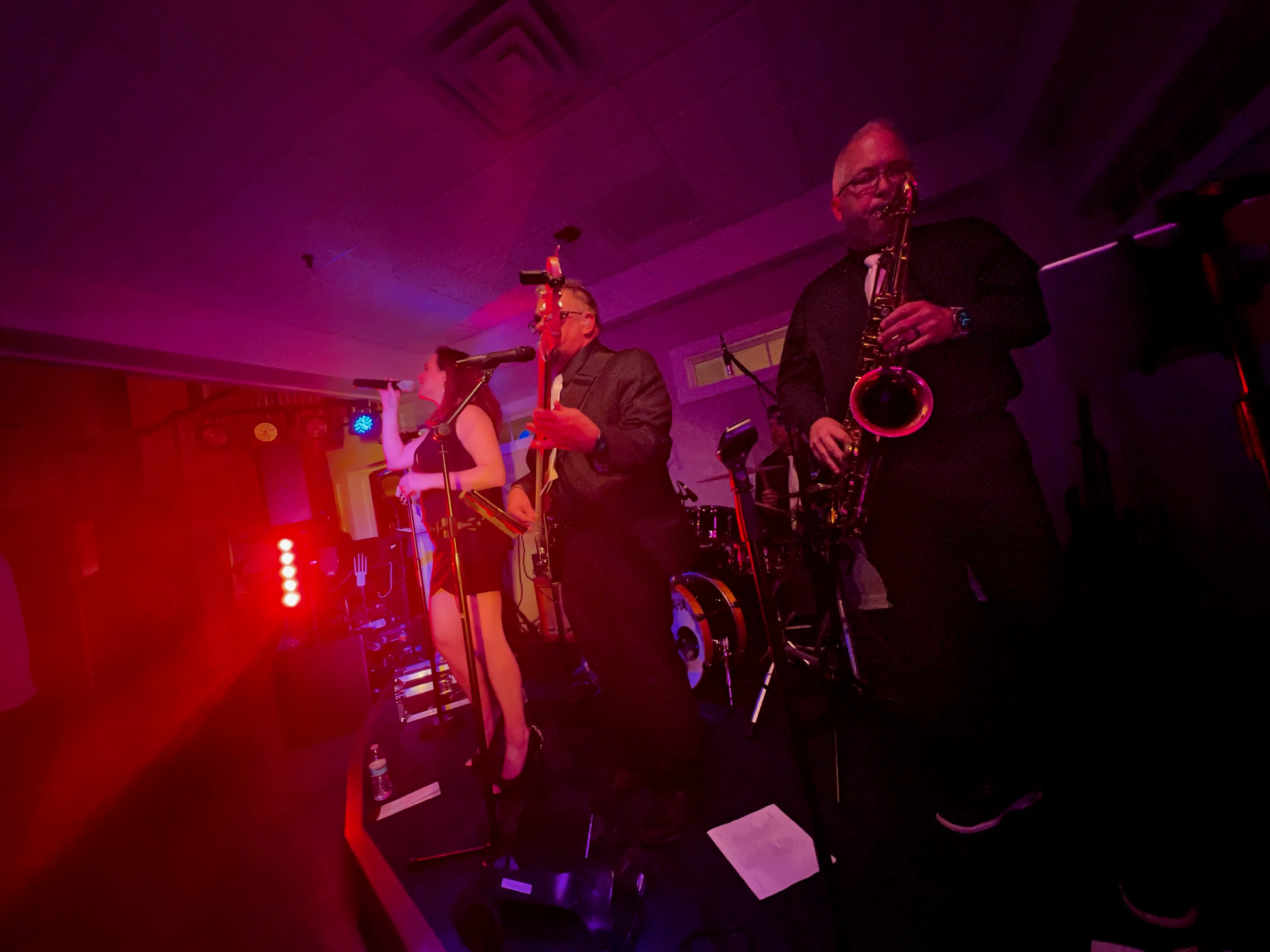
The same seven-piece band and five lead voices carry those choices through the event. That consistency matters when the music needs to welcome guests, support a meal, introduce a meaningful moment and bring a mixed-age room together. Couples can explore wedding options, see familiar rooms on the venue page, review the wedding FAQ and check availability when they are ready to talk through their date.
Frequently asked questions
When should I start planning my wedding reception?
Start once you know the venue, the broad time window and the vendors who will shape the evening. You do not need every song or tradition chosen right away. Begin with the fixed times and priorities, then make the detailed music and handoff decisions as the wedding gets closer.
Who should make the wedding reception timeline?
The couple should set the priorities, while the planner, venue coordinator or bandleader helps turn them into a workable order. One person should be the day-of point person who can make a timing call without pulling the couple away from their guests.
How much open dancing should a wedding reception have?
The answer depends on the length of the reception and the traditions you want to include, but open dancing needs a real uninterrupted stretch to build energy. Group shorter formal moments together, then give guests enough time to settle into the floor before the next transition.
Do I need to choose every song for a wedding reception?
No. Choose the songs that need a specific cue, such as entrances, special dances and the final song. Then give the band a focused must-play list, a concise do-not-play list and a sense of the energy you want. That leaves room for live musicians to respond to the guests in the room.