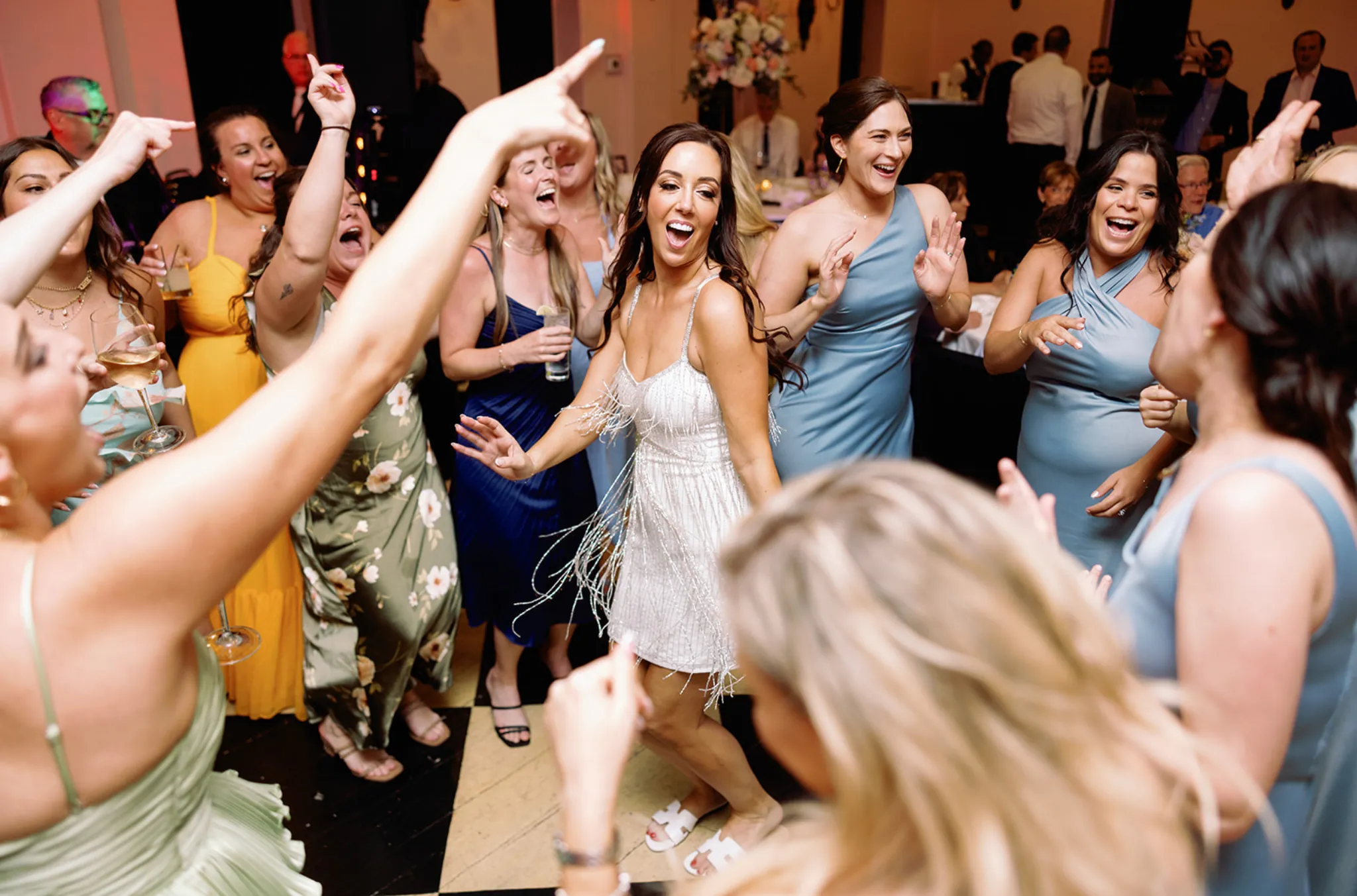

A wedding reception does not need to follow one rigid script. It does need a clear sense of rhythm. Guests should know when the night is beginning, when it is time to eat, when the meaningful moments are happening and when they can stop watching the schedule and simply enjoy the party.
That is why the usual wedding reception order is useful. It gives everyone a shared starting point, then leaves room to make the night feel like you. Maybe you want a grand entrance and a packed floor before dinner. Maybe you would rather walk in quietly, enjoy a long meal and open the floor later. Both can work beautifully when the people running the evening know what is coming next.
Think of the order as a way to protect the experience you care about most. Couples who want a dinner that feels unhurried need to give service enough space. Couples who want a packed dance floor need to stop breaking that momentum for small announcements. Couples with important family traditions need to place them where guests can be present for them. Once those priorities are clear, the individual choices become much easier.
The usual wedding reception order at a glance
For a classic dinner-and-dancing celebration, the order often looks like this:
- Cocktail hour
- Guests enter the reception room
- Wedding party and couple entrance, if you want one
- First dance, welcome or dinner opening
- Dinner and toasts
- Parent dances or another featured moment
- Open dancing
- Cake, dessert or a late-night surprise
- Final dance, last song or exit
That is a framework, not a rulebook. WeddingWire's overview of reception events also places the major decisions around dinner, dances, cake and dancing, but the right order depends on your venue, meal service, family traditions and guest list. Treat every item as something you can move, combine or leave out.
1. Cocktail hour gives the day a soft landing
Cocktail hour is usually the bridge between the ceremony and the main reception. Guests get a drink, find familiar faces and settle into the feeling of the evening while the couple finishes portraits or takes a breath. It may be an actual hour, or it may be 45 minutes or longer depending on the venue and photography plan.
Because guests are already socializing, cocktail hour does not need many announcements or tightly timed events. It works best when it feels easy. Live music, a thoughtful playlist and a comfortable flow to the next room can do a lot of quiet work here. If your ceremony and cocktail hour are in the same location, confirm the exact handoff with the venue so guests know where to go without a confusing pause.
One simple planning decision matters more than it seems: decide whether cocktail hour is part of the contracted reception time or a separate block. That answer changes how much space you truly have for dinner and dancing. Couples weighing three, four or five hours can use the wedding reception length guide to make that call before building the rest of the schedule.

2. Guest arrival sets the room's first energy
Once cocktail hour ends, guests enter the reception room, find their tables and take in the space. This is a transition, not dead time. A welcoming song, warm room lighting and a clear cue from the venue team make the evening feel like it is moving forward instead of waiting for the next announcement.
If you are using place cards or a seating display, put it somewhere people can read without blocking the entrance. If you want guests seated before introductions, give the venue and entertainment team a clear signal for when that should happen. A calm arrival prevents the common first-reception wobble, where half the guests are still looking for a table while the first entrance has already started.
3. Entrances are optional, not mandatory
A wedding party entrance can be a high-energy opening, especially for couples who want the reception to begin with a laugh, a favorite song or a big cheer. The couple can follow immediately, or the wedding party can enter first and create anticipation. It is a good choice when you have a group that will enjoy it and a room that is ready to respond.
It is equally fine to skip the formal entrance. Some couples prefer to enter together without being announced, greet people table by table or begin the evening with a first dance. A smaller guest count, restaurant setting or more relaxed celebration may not need a staged arrival at all. Do not add an entrance because you think a reception requires one. Add it because it sounds fun to you.
If you do want introductions, write down the names, pronunciation, entrance order and exact song cue before the wedding week. Share one final version with the planner, venue and person on the microphone. This is one of the easiest details to make smooth when everyone is looking at the same list.
4. Choose your first featured moment
After the couple arrives, the room usually moves into one featured moment: a first dance, a welcome toast, a blessing or straight into dinner. The best choice depends on the atmosphere you want at the start of the night.
A first dance right after the entrance gives guests a clear emotional opening and makes a strong photo moment while everyone is fresh. A welcome followed by dinner creates a more traditional pace. Some couples save the first dance until after dinner, using it as the signal that the celebration is changing from meal time to dance-floor time. There is no incorrect choice, as long as the timing works with service and photography.
Keep the first 20 minutes focused. Trying to fit an entrance, first dance, parent dances, three speeches and cake cutting into the opening creates a rush before guests have settled in. One clear moment is more memorable than a stack of quick ones.
5. Dinner is the natural home for toasts
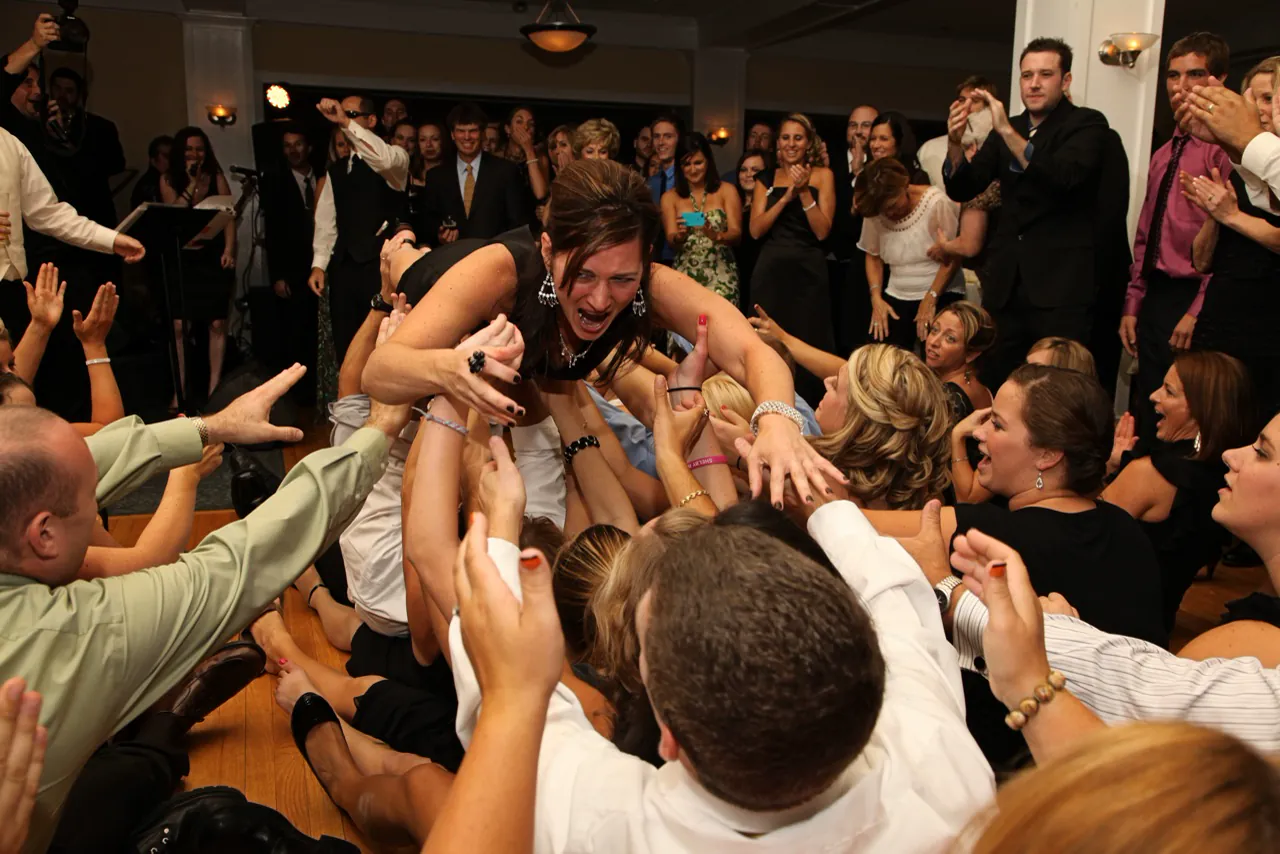
Dinner gives guests a chance to recharge, catch up and enjoy the room at a more relaxed volume. For a plated meal, it is also the cleanest time for toasts because people are seated, service already has a rhythm and the microphone does not need to pull anyone away from the dance floor.
The main question is not whether you should have speeches. It is how many and when. Two or three thoughtful speakers are often plenty. Ask each person to keep it focused, give them the order in advance and decide whether toasts happen after the first course, between courses or after dinner. Your caterer can tell you when service will allow guests to listen without plates arriving at the exact same moment.
If your guest list includes a cultural tradition, family blessing or welcome that matters deeply, this section is often a natural place for it. Build enough time for the meaning of the moment, then let the night move forward. A helpful traditional reception timeline from The Knot shows why dinner and toasts are commonly paired, but your own family and venue should set the final order.
6. Use dances to change the room's energy
Parent dances, an anniversary dance or another featured song can happen right after dinner or after a brief opening set. Putting them at this transition point gives the room a reason to gather close before the party takes off. It also keeps these meaningful moments from interrupting the strongest part of the dance floor later.
Not every reception needs every traditional dance. Consider who the moment is for and whether it will feel true to your celebration. You can keep it short, combine it with another dance or choose a different family moment entirely. The goal is not to check a box. The goal is to create the few scenes you will be happy to remember.
7. Protect a real stretch of open dancing
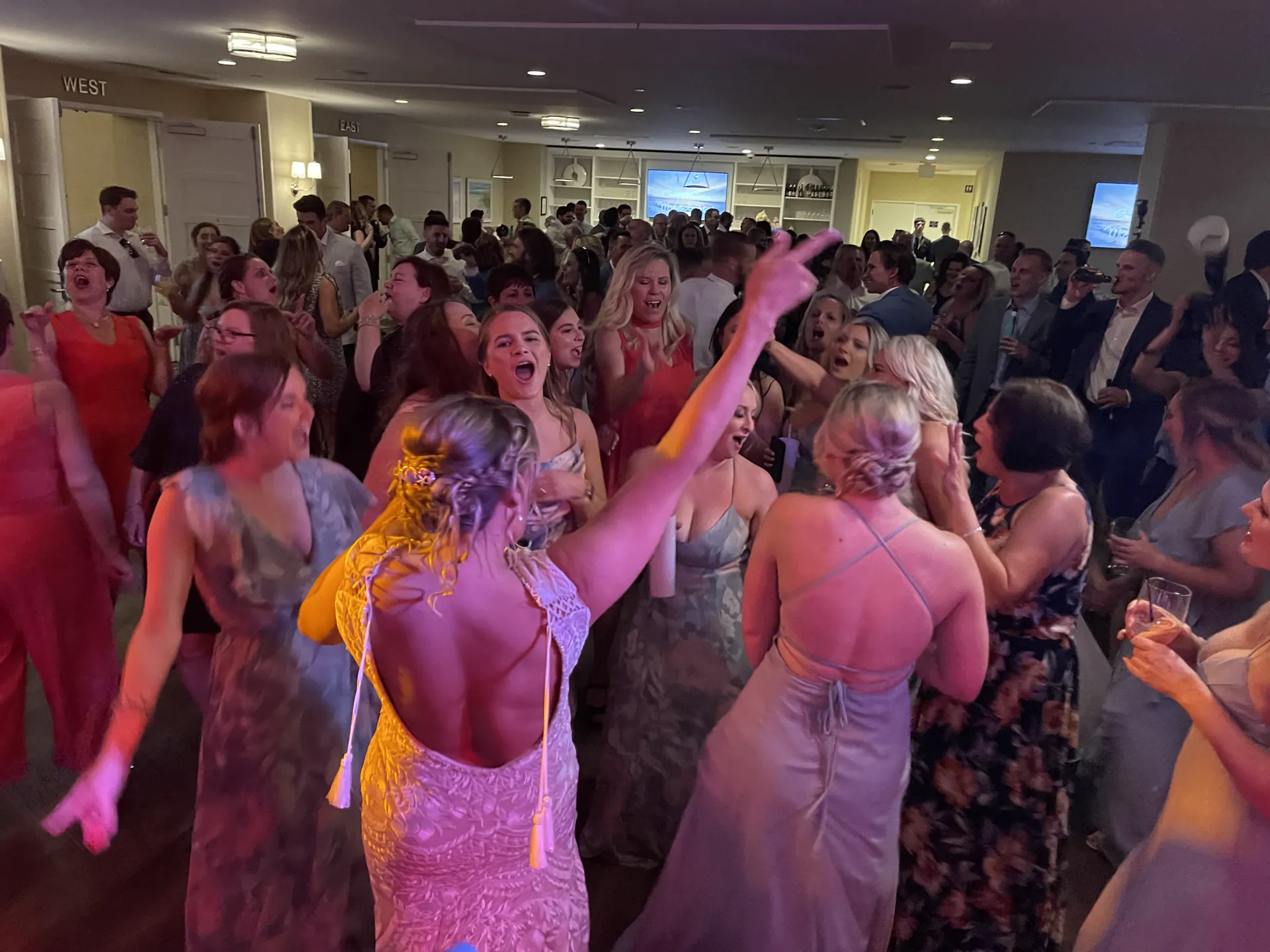
Open dancing is where a reception becomes a party instead of a sequence of formalities. Once the floor begins to fill, give it time to grow. Guests usually need a few songs to leave their tables, see who else is dancing and decide they want to stay. Stopping the room every ten minutes for another announcement makes that energy harder to rebuild.
A good plan groups the shorter formalities together, then leaves a meaningful uninterrupted run. For many couples, that means 60 to 90 minutes before cake or a late-night moment, followed by another strong closing set. The exact amount depends on your reception length, which is why the five-hour wedding reception timeline is useful once you know the events you want to include.
Music should match the people in the room. A guest list may include grandparents, college friends, cousins, coworkers and children, all with different ideas about what makes them move. A deep song list gives you options, but the sequence matters too. Save your true must-play songs for the moments when the people you want on the floor are actually there.
8. Cake, dessert or a late-night moment creates a reset
Cake cutting often happens after the first major dance set because guests are ready for a quick change of pace. It can also happen earlier if the photographer needs it before leaving. The best placement is practical: choose a time when the important people can gather, get the photos you want and return to the floor without a long lull.
You are not limited to cake. A dessert reveal, late-night snack, outfit change, group photo or favorite singalong can serve the same role. Pick one that genuinely adds something to the night. If you do not care about a formal cake moment, there is no need to interrupt a packed floor just because it appears on a traditional timeline.
9. End with a moment guests can feel
The final song gives the room a shared ending. Tell your planner, photographer and entertainment team whether you want a packed-floor finale, a private last dance, a sparkler exit or a simple thank-you before the lights come up. Guests will follow the cue when the ending is clear.
Do not hold every favorite song for the very last half-hour. Some guests will need to leave earlier, and the biggest shared moments usually happen while the whole room is still together. Use the closing song as the last note, not as the only song you were waiting to hear.
How Bigg Romeo helps the order feel natural
Bigg Romeo helps couples shape the full reception, from introductions and dinner music through special dances and the final song. The same seven-piece band and five lead voices can carry the room through each transition, so the handoffs feel connected rather than like a string of separate events.
Planning directly with Franco helps the team understand what matters most to you before the wedding day, whether that is a short formal opening, a particular first-dance cue or a long stretch of dancing. Couples can explore wedding options, see familiar Philadelphia-area venues, review common timing questions in the wedding FAQ and check availability when they are ready to talk through their date.
Frequently asked questions
What is the usual order of a wedding reception?
A common order is cocktail hour, guest arrival, introductions, dinner, toasts, special dances, open dancing, cake or another late-night moment, then a final song or exit. The best order is the one that gives your meal, formal moments and dance floor enough room without making guests feel pulled in too many directions.
Do you have to do introductions at a wedding reception?
No. Introductions are optional. They can create a fun opening for a wedding party that wants a big arrival, but couples who prefer a relaxed start can simply enter, greet guests and move into dinner or a first dance.
When should speeches happen at a wedding reception?
Speeches usually work best while guests are seated for dinner, often after the first course or between courses. Keeping the speaker list focused and confirming the order in advance helps the moment feel meaningful without putting the evening on pause for too long.
When should the first dance happen?
The first dance can happen just after the couple enters, after dinner to signal the start of dancing, or later as its own spotlight moment. Choose the placement that suits the feeling you want, then share it with your planner, photographer, caterer and entertainment team.
How much open dancing should a wedding reception have?
Most couples who want a full dance floor should protect at least one uninterrupted stretch of 60 to 90 minutes. Guests need more than one or two songs to settle in, so group short formalities together instead of stopping the music repeatedly.