
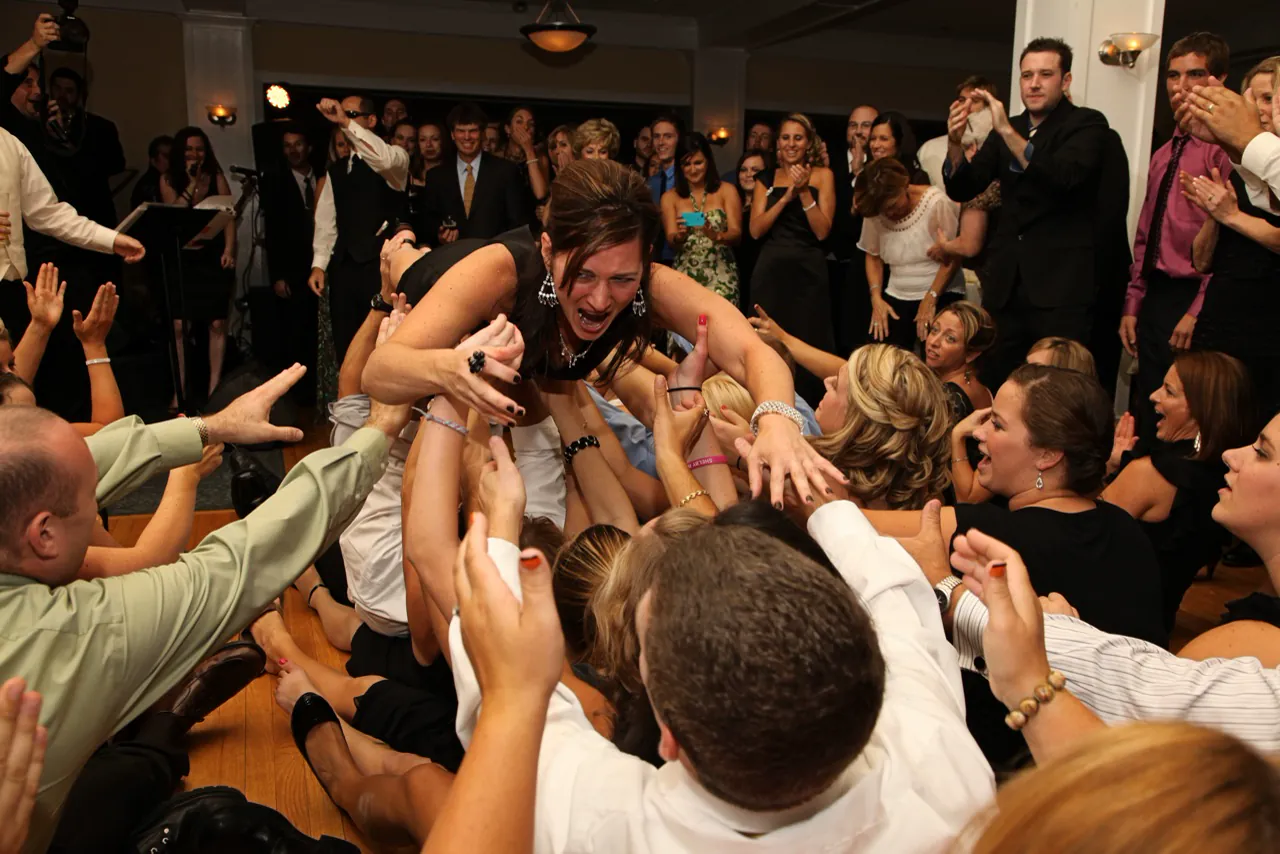
In the Philadelphia area, a typical five-hour wedding includes cocktail hour followed by a four-hour reception. That gives you room for dinner, formal moments and a real stretch of dancing without making the evening feel rushed. A shorter celebration can work beautifully for a focused cocktail-style, brunch or smaller event, while extra time can help when you have more traditions or a larger guest list.
The better question is not simply how long a wedding reception should be. It is what you want your guests to experience, and how much time that experience truly needs. Once you answer that, the schedule becomes far easier to build.
The short answer: a five-hour wedding usually includes a four-hour reception
A four-hour reception after cocktail hour is the familiar format for many Philadelphia-area weddings. It is long enough for dinner, formal dances and open dancing, without asking guests to stay out all night. A fifth reception hour can add breathing room when dinner service is leisurely, a large family wants to speak or the couple wants a longer, uninterrupted dance set.
That is why a traditional reception example from The Knot uses cocktail hour followed by a four-hour reception. It is a helpful baseline, but not a rule. A black-tie ballroom wedding, a Sunday brunch, a cultural celebration and a waterfront cocktail party should not all be forced into the same format.
Start by asking your venue exactly what is included in the contracted time. Confirm when guests may enter the room, when the bar opens, when music must end and whether setup, ceremony and cocktail hour sit inside or outside that window. Those details define the choices you actually have.
Give yourself a small buffer, too. Guest arrival, photographs, a delayed course or a heartfelt toast can take longer than the neat version on a spreadsheet. A good plan has room to absorb those moments without borrowing time from dinner or the dance floor. That is what makes a reception feel easy rather than tightly managed, even when one small part of the evening runs late.
What different reception lengths feel like
Three hours: lively and selective
A three-hour reception can feel fresh, social and plenty celebratory, especially after a full cocktail hour. It works well for a brunch wedding, a restaurant wedding, a cocktail-style party or a smaller guest list that will not need a long seated meal. The key is restraint. Pick the moments you care about most, such as a toast, first dance and a focused music set, rather than trying to fit every traditional event into a tight window.
Think of this format as a great party with a few meaningful landmarks, not a compressed version of a five-hour ballroom reception. Guests should be mingling or dancing, not repeatedly being asked to sit down, stand up and watch another transition.
Four hours: the classic dinner-and-dancing reception
Four hours is often the sweet spot for couples who want a full reception without a late ending. There is usually room for entrances, dinner, two or three toasts, special dances, cake and a real stretch of open dancing. It is especially workable when the planner, caterer and bandleader agree on the sequence before the wedding day.
The risk is giving every tradition equal weight. If there are several speeches, multiple dances, a long buffet line and a lengthy cake moment, the floor can lose too much time. Choose what matters to you, group the short formalities together and protect the portion of the night when guests can simply enjoy themselves.
Five hours: room for a relaxed pace
A five-hour reception is not automatically better, but it is more forgiving. It gives a plated dinner time to move naturally, lets guests catch up without feeling pushed and leaves space for the dance floor to build more than once. It can also be a smart choice when travel, sunset photos, cultural traditions or a large wedding party make the day more complex.
More time only helps when it has a purpose. A longer reception should not mean adding filler announcements. It should mean a calmer meal, better pacing and a final hour that feels like a celebration rather than a room waiting for the clock to run out.

Five choices that determine the right length
1. Your meal service
A cocktail-style reception moves quickly because guests can eat and mingle at the same time. A plated dinner takes longer, especially with a large guest count, multiple courses or formal toasts between courses. A buffet can also stretch if guests are released table by table. Ask the caterer for a realistic service window, not the optimistic version, then plan music and moments around it.
2. The number of formal moments
Introductions, first dances, parent dances, toasts, cake cutting, anniversary dances, bouquet tosses and cultural traditions can all be wonderful. They do not all need to happen at every wedding. List your nonnegotiables and estimate the true time each one needs, including gathering guests, getting photos and resetting the room afterward. This is where a reception quietly becomes too short or too long.
3. Your guest list and their energy
A room full of local guests, close friends and a crowd that loves to dance can happily stay late. A guest list with young children, older relatives, travelers or a next-day morning event may call for an earlier, tighter finish. You do not have to plan around every individual person, but the rhythm should suit the people you most want to enjoy the night with you.
4. The venue's rules and setting
Some venues have a fixed closing time, a noise limit or a hard turnaround for another event. Others make an extended celebration easy. Outdoor settings also change the equation: weather, temperature, daylight and transportation can make a late finish feel either magical or exhausting. A good schedule respects the room instead of fighting it.
5. How important dancing is to you
If your priority is a packed floor, give it protected time. A traditional reception timeline can show where major moments often land, but your own order should serve the energy you want. Put the key formalities near the meal or group them into one short break. Then let the music run long enough for guests to stop watching and start participating.
How to keep a shorter reception from feeling rushed
Shorter does not have to mean less memorable. It means the schedule needs a clean point of view. Let cocktail hour do its job as a social welcome. Limit toasts to the people whose words will matter most. Choose whether your first dance opens the room, starts the dancing after dinner or happens later as a spotlight moment. Then give the floor a meaningful run without another interruption every few songs.
It also helps to appoint one person to own the sequence. That may be your planner, venue coordinator or bandleader. The couple should not be deciding when to cut the cake while guests wait. When everyone knows who is calling the next moment, the night feels more relaxed for the people hosting it and the people attending it.
When an after-party works better than adding reception hours
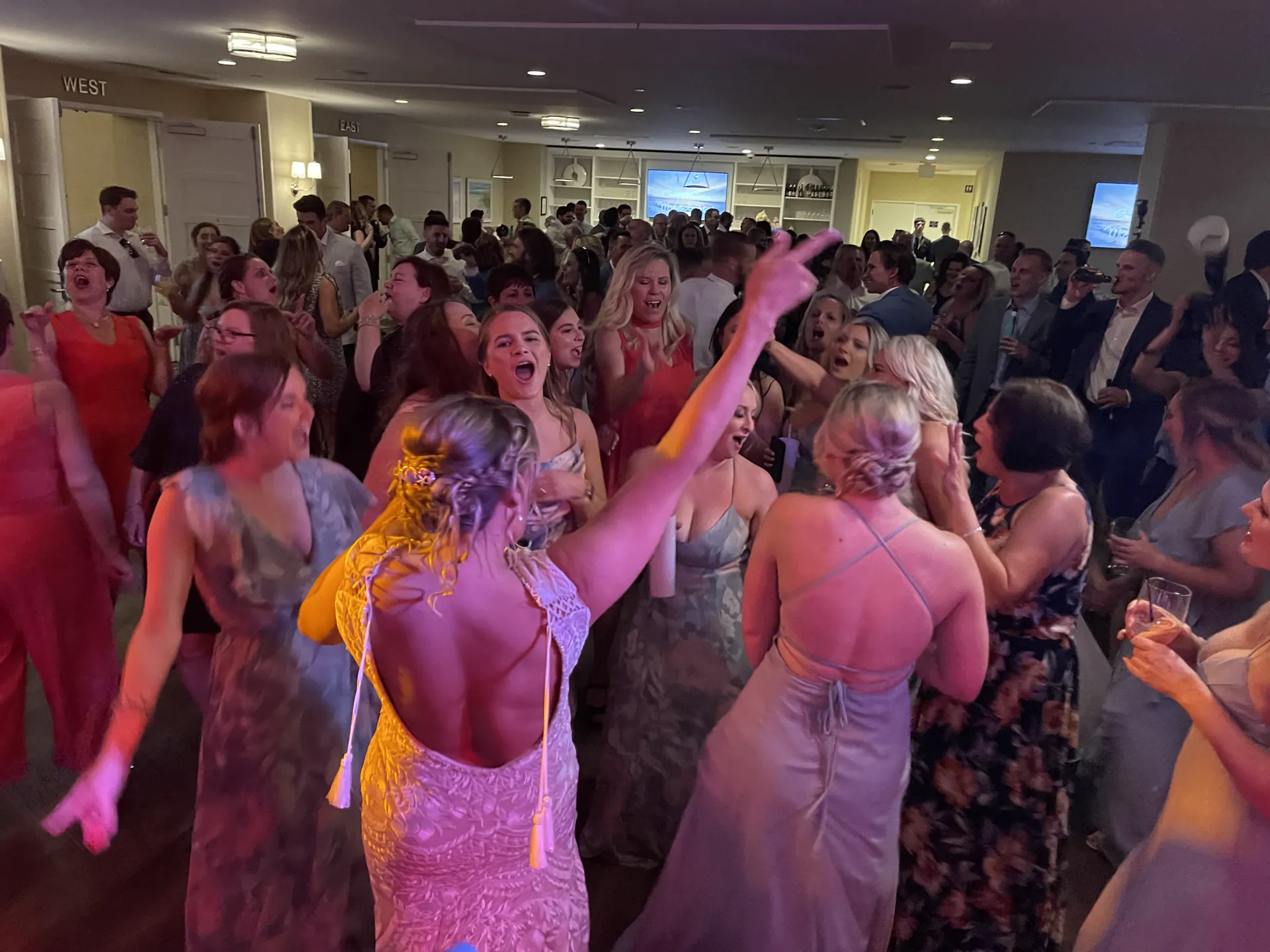
If a smaller group wants to keep celebrating after the main reception, an after-party can be the cleaner choice. It lets you end the formal event at a time that works for the full guest list, then continue with the people who genuinely want a late night. That is often more enjoyable than extending dinner, staffing and entertainment for a room that is already thinning out.
Decide that early enough for transportation, venue rules and vendor timing to be clear. The main reception should still get its real ending: a last song, a thank-you and a moment when guests can celebrate the couple together. The after-party is the bonus chapter, not a reason to hold back the songs and energy that belong in the room while everyone is there.
Turn the length into a schedule that works
Once you know whether your reception is three, four or five hours, the next step is deciding the order of the night. Start with the fixed times, then add the moments you care about, then protect the open dancing. Bigg Romeo's five-hour wedding reception timeline shows one flexible way to do that without turning the evening into a checklist.
It is also worth talking through the plan with the people who affect the flow most: the venue, caterer, photographer and entertainment team. Their work overlaps. When they share one clear schedule, dinner service, music cues and photos feel like part of the same evening instead of competing interruptions.
How Bigg Romeo helps the night feel connected
Bigg Romeo can help shape the reception around the moments that matter most to you, from introductions and dinner music to special dances and the final song. The same seven-piece band and five lead voices can carry the room from one part of the night to the next, with music that matches the guests in front of them rather than a one-size-fits-all playlist.
Couples can explore Bigg Romeo wedding options, hear the range of the partial song list, see familiar rooms on the venue page and review common planning details in the wedding FAQ. When you are ready to talk about your own date and timeline, check availability with Franco and the team.
Frequently asked questions
Is four hours long enough for a wedding reception?
Yes. In the Philadelphia area, a typical five-hour wedding includes cocktail hour followed by a four-hour reception. With a clear plan, that gives room for dinner, meaningful moments and a strong stretch of dancing.
Does cocktail hour count as part of the wedding reception?
Some venues package cocktail hour and the reception together, while others describe them separately. For planning, treat cocktail hour as its own part of the guest experience. It is the bridge between ceremony and reception, and it affects how much dinner, dancing and formalities need to fit into the main room.
How long should the dance floor be open at a wedding?
Aim for at least 90 minutes of meaningful open dancing, whether that happens as one long run or two well-paced sets. A dance floor takes time to build. Repeatedly stopping it for small announcements makes guests less likely to settle in and stay there.
Can a wedding reception be only three hours?
Yes, especially for a cocktail-style celebration, brunch wedding or smaller event. The tradeoff is that the schedule must stay very focused. A short reception works best when the meal, toasts and special moments are intentionally simple rather than squeezed into a traditional dinner-and-dancing format.


