
A wedding reception checklist is not meant to turn the party into a project plan. It is there so the details that matter to you have a home before the room fills up, dinner starts and someone asks where the microphone is. A few clear decisions give the whole night space to feel effortless.
Use this list to organize the handoffs that shape a reception: who is arriving when, what gets announced, which songs need an exact cue, where the photographer needs to be and who can make the next call without pulling you away from your guests. You do not need to schedule every minute. You do need everyone working from the same version of the important moments.
The best checklist ends with a room that feels like yours, not a room that has followed somebody else's formula. Keep the traditions that mean something, trim the ones that do not and make sure the people helping you know what matters most.
1. Confirm the fixed times first
Begin with the details that cannot move. Confirm when guests can enter the room, when cocktail hour ends, when dinner service starts, when the bar closes and when music must end. Add vendor arrival and setup windows if they affect the room. Those times create the frame for everything else.
Then choose the broad shape of the celebration. A cocktail hour followed by a four-hour reception is a familiar starting point, as shown in The Knot's sample reception timeline, but it is only a starting point. A long seated dinner, a large wedding party, cultural traditions or a late-night crowd may point you toward a different pace.
If you are still deciding how much time you need, use our guide to wedding reception length before committing the rest of the schedule. It helps you protect dinner, meaningful moments and enough uninterrupted dancing for the floor to actually build.

2. Decide which moments need the whole room
Write down the moments that deserve everyone's attention. Common choices include introductions, a welcome, the first dance, parent dances, toasts, cake cutting, an anniversary dance, a bouquet toss and the final song. You do not need to do all of them. The useful question is whether each one will make the room feel more like your celebration.
For every moment you keep, note who is involved, who gives the cue and what needs to be ready. A toast needs the speaker order and a working microphone. A parent dance needs the right people nearby. A cake moment may need the photographer, caterer and bandleader ready at the same time. Small notes now save a lot of polite scrambling later.
Our wedding reception order guide is a helpful way to see how those moments can sit together without breaking up the night every few minutes. It is much easier to edit the flow on paper than it is to rebuild it while guests are waiting.
3. Give the meal and toasts a realistic window
Dinner is where a rushed schedule usually shows itself. Ask the caterer how long service will really take for your guest count and meal style, then leave a little margin. A plated meal, buffet and stations reception all move differently. What looks like one line on a schedule can be an hour or more of guest experience.
Choose a focused speaker list, confirm the order and give each person a clear time expectation. A few meaningful toasts usually land better than an open-ended stretch of speeches. If someone will introduce each speaker, put that name on the checklist too. Emily Post's wedding etiquette guidance is a useful reminder that a reception works best when the hosts make guests feel considered, which is exactly what a clear, well-paced toast sequence does.
Before the wedding week, send the same short reception timeline to the planner, venue coordinator, caterer, photographer and entertainment team. This is not about making the night rigid. It keeps dinner service, photographs, music and formal moments from competing for the same five minutes.

4. Choose the music decisions that need your input
Some songs need an exact cue, and those belong on your checklist. List the entrance song, first dance, parent dances, any special cultural moment, cake song and final song. Include the exact title and artist, the version you prefer and a note when the music should start at a specific point.
For the rest of the night, a short must-play list is more useful than a giant playlist. Note the songs your closest people will care about, the energy you want for dinner and the kind of dance floor you hope to see. Then add a concise do-not-play list for songs or lyrics that would make the night feel wrong.
Bigg Romeo's partial song list can help you spot favorites across decades and styles. Our wedding reception songs guide explains how to give a live band the right direction without scripting every set. The point is to protect the personal songs and let the room have a say in the rest.
5. Plan the handoffs between vendors
Reception flow often depends on the seconds before a big moment. Decide who will tell the band that the couple is ready for introductions, who calls the photographer for cake cutting and who gathers parents for dances. Put one name beside each responsibility. Everyone does not need a copy of the checklist, but one person needs to know who has the next handoff.
It also helps to give vendors your priorities in plain language. Maybe you care most about a full dance floor. Maybe dinner needs to stay relaxed, or you want a quiet family moment before the final song. When the people running the evening understand what you value, they can make better calls when a course runs late or an extra toast appears.
For a reception with live music, share the complete list of formal moments before the day arrives. That allows the bandleader to prepare introductions, confirm pronunciations and keep music present through breaks. It is the difference between a night that pauses every time something happens and a night that keeps its momentum.

6. Protect a real stretch of open dancing
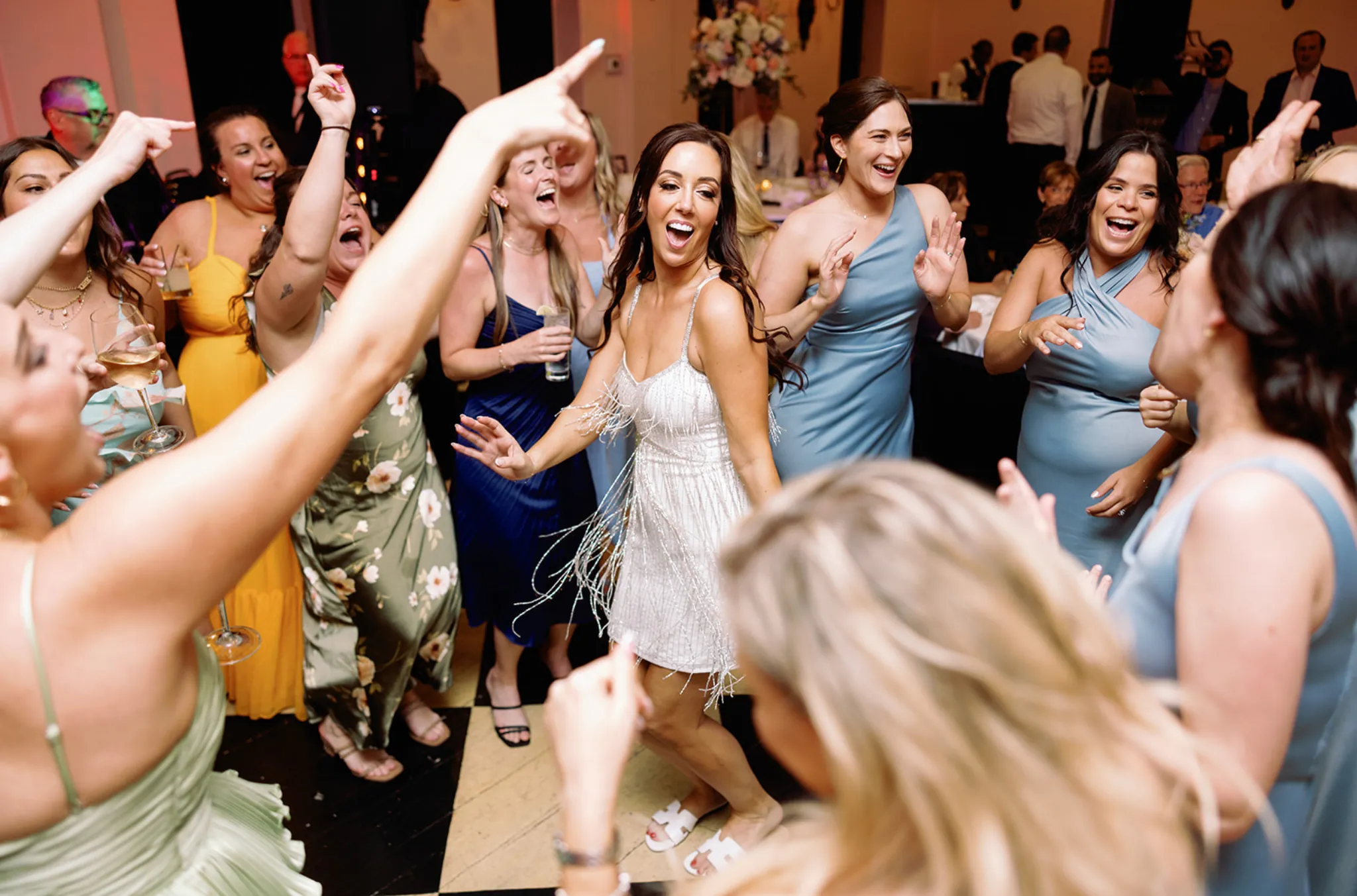
Open dancing is not the leftover time after every other tradition. For many couples, it is the part of the reception guests remember most. Give it a protected run long enough for people to stop hovering at the edge of the floor and settle into the party. Repeated interruptions make it harder for a room to build energy.
That does not mean skipping every tradition. It means grouping short moments together or placing them near dinner, then returning the floor to guests for a meaningful stretch. Our five-hour reception timeline shows one way to make space for dinner, toasts, special dances and a strong dance-floor finish.
Also think about the last 30 minutes. Decide whether you want one huge final song, a private last dance, a sparkler exit or a simple goodbye. Share that choice with the photographer, planner and band so the ending feels intentional rather than like the room slowly noticing the clock.
7. Cover the guest-experience details
Some of the most important reception details are easy to leave out because they are not a formal moment. Add transportation timing, a plan for elderly relatives or young children, the location of cards and gifts, dietary reminders, late-night food and any surprise element you want kept quiet. These details do not need a long meeting. They just need an owner.
Think through the guest journey from arrival to goodbye. Where will people find their table? Does anyone need a quick welcome before dinner? Is there a change in room, lighting or music that needs to happen before dancing starts? Where should guests go if you are doing a sendoff? A checklist makes those answers easy to share with the people working the room.
For a mixed-age guest list, plan the evening around participation rather than a perfect playlist or a rigid order. A thoughtful early song, clear toast timing, a comfortable dinner pace and one shared final moment can do more for the room than adding three more formalities. The best choices make guests feel included without taking attention away from the couple.
Keep the practical comfort items close to the same plan. Confirm where personal items will be stored, who knows the transportation plan, whether the venue needs help clearing a family table and who can quietly answer a guest question. These details are not glamorous, but they are what let the hosts stay on the dance floor instead of solving small problems all night.
It is also smart to name one trusted person who can handle a change without interrupting you. A parent, sibling, planner or wedding-party member can tell the coordinator that a grandparent needs a photo, a guest has arrived late or a toast should move by ten minutes. That gives the celebration a little flexibility without putting the couple back in charge of the schedule themselves.
8. Make a short day-of version
In the final week, turn your working checklist into a one-page reception brief. Keep only what someone needs to act on: addresses, key contact names, arrival times, the sequence of major moments, music cues, special requests and the name of the person running the timeline. This is not the place for every planning note you collected over the year. Our guide on how to plan a wedding reception can help you make the bigger choices before you condense them into that final page.
Read it once with your planner or venue coordinator, then once with your entertainment team. Confirm names, pronunciations and the person who will give the signal for each moment. The final version should make it easier for you to be present, not give you another thing to manage.
A useful final check: ask whether any detail is only in your head. If the answer is yes, add it to the one-page brief or tell the person who needs it. That simple step can keep a favorite song, family tradition or final-photo moment from being lost in the noise of a busy reception.
How Bigg Romeo helps the reception come together
Bigg Romeo helps couples turn their priorities into a reception that moves naturally from one moment to the next. Planning directly with Franco gives you a clear person to talk through introductions, special songs, dinner timing, announcements and the point where you want the dance floor to take over.
The same seven-piece band and five lead voices carry those decisions through the event, from a warm welcome through the final song. Couples can explore wedding options, see familiar rooms on the venue page, review the wedding FAQ and check availability when they are ready to talk through their own date.
Frequently asked questions
When should I make a wedding reception checklist?
Start as soon as the venue and major vendors are booked, then revisit it at each planning milestone. The early version can be broad. In the last month, turn it into a short day-of list with names, times, music cues and the person responsible for each handoff.
What should be on a wedding reception timeline?
Include guest arrival, introductions, dinner service, toasts, special dances, any cake or dessert moment, open dancing, the final song and the official end time. Add the small details that affect those moments, such as who has the rings, who will gather family members and who gives the signal to the band.
Do I need to plan every wedding reception song?
No. Choose the songs that need a precise cue, such as entrances, special dances and the final song. A short must-play list and a concise do-not-play list give a live band direction while leaving room to respond to the guests who are actually in the room.
Who should run the wedding reception timeline?
Your planner, venue coordinator or bandleader should own the sequence. The couple should not have to track down a microphone, decide when to cut the cake or manage a late toast. Give one person the schedule and authority to keep the night moving.