

Italian wedding songs can do more than fill a dance floor. One well-chosen song can make a grandparent light up, give a ceremony a deeper sense of family, or turn a room full of guests into one joyful chorus. The trick is not to make the entire day feel like a themed playlist. It is to decide which moments deserve a little extra meaning, then let the music arrive at the right time.
Start with the people in the room. Some couples want an Italian-language song that feels intimate and romantic. Others want a big family moment after dinner. Many want both Italian favorites and the current music that keeps every generation dancing. All of those approaches can work. The best plan gives the music a clear job, rather than treating every Italian song as interchangeable.
Begin with the feeling, not a list of titles
Before choosing songs, ask what you want guests to feel. Do you want the ceremony to feel elegant and rooted in family? Would a familiar dinner song help guests settle into the room? Is there a particular moment when you want parents, aunts, uncles and cousins to be on the floor together? Those answers matter more than building the longest possible list.
Italian music is not one sound. A romantic ballad, a classic crooner, a Neapolitan favorite, a tarantella-style dance and a contemporary Italian pop song all create very different moments. Even song lists made for weddings separate ceremony, dinner and reception choices because the setting changes what the music needs to accomplish. The Italian wedding-song ideas from The Knot are a useful starting point for hearing a range of styles, but your own memories should make the final call.
Make a simple three-column note: songs that mean something to you as a couple, songs that matter to family, and songs that will invite a crowd in. A song can belong in more than one column, but this keeps the plan from becoming a collection of requests with no place to land. It also gives your musicians a better picture of the emotion behind each choice.

Choose one or two ceremony moments with care
Ceremony music gets your guests listening closely. That makes it a natural place for a song with personal meaning, an instrumental arrangement or an Italian-language piece that feels right for the setting. It does not have to be a traditional choice. A familiar love song can be just as moving when it is arranged with the right pace and enough room for the walk down the aisle.
Keep the practical side in view. An entrance song needs enough length for everyone walking. A reading or ritual needs music that will stay beneath the words. A recessional needs a lift that sends people toward cocktails with some energy. Our guide to wedding ceremony music walks through those cues in more detail, including the value of choosing one person to give the start signal.
If a church or cultural setting has guidelines about music, ask early. The right song is only useful if it is allowed in that part of the day and works with the space. A short conversation with the venue, officiant and music team avoids last-minute changes and lets you choose something that feels intentional rather than merely acceptable.
Let cocktail hour and dinner carry the warmth
Italian music often feels especially natural while guests are arriving at cocktails, finding their tables or sharing their first meal. Those are listening moments, not yet full dance-floor moments. Softer arrangements, romantic standards and songs with a relaxed rhythm can make the room feel warm without taking over the conversation.
Think in terms of atmosphere rather than a fixed set of songs. A few Italian selections can sit beautifully beside jazz, soul or acoustic favorites. The Italy Wedding Guide's overview of ceremony, aperitivo, dinner and dance-floor music makes the same useful distinction: music that works while guests talk is not necessarily music that belongs in the final hour. Give the band or DJ a mood and a few meaningful anchors, then leave enough room for the evening to breathe.
This is also a good place for a song that is important to a parent or grandparent but may not be right for a major formal moment. When the timing is thoughtful, the gesture still lands. It feels like part of the celebration rather than an interruption to it.

Build one reception moment everyone understands
A lively Italian moment works best when guests know it is an invitation, not a test. The room does not need to understand every lyric to recognize joy, clapping, movement and a clear cue to join in. A tarantella-style number, a familiar singalong or a celebratory song chosen by the family can create that bridge across generations.
Place it after guests have had time to eat, talk and warm up. Dropping a big family dance into the first ten minutes of the reception can feel forced. Let the room settle, let a few familiar songs bring people forward, then use the Italian moment as a release of energy. A strong bandleader can explain just enough, invite the right people in and keep the momentum moving into the next song.
Do not make the moment too precious. The most successful family dances have a little looseness to them. If the older generation wants to lead, give them the room. If younger guests jump in, let it grow. The goal is shared recognition and movement, not a flawless performance for the camera.
Give each song a job
Rather than choosing twenty songs and hoping they fit, assign each one a role. A romantic Italian selection might belong with the ceremony or first dance. A familiar classic may be better during dinner. A high-energy favorite can become the bridge from formal moments into dancing. That structure protects the feeling behind the songs and prevents the reception from losing its pace.
For a first dance, listen to the lyrics and the tempo together. A beautiful recording may not feel comfortable to dance to for three minutes. For a parent dance, choose the relationship and the feeling first, then decide whether Italian-language lyrics will make it more meaningful or distract from the moment. For a family singalong, favor recognition and energy over the most obscure or technically impressive choice.
It also helps to name the songs you do not want. Some families love a playful, rowdy number. Others want something more understated. There is no universal Italian wedding soundtrack, and there should not be. A clear do-not-play note gives your music team permission to protect the atmosphere you are trying to create.
Mix heritage with the music your whole room loves
The most memorable receptions move through different moods. Italian selections can be a beautiful part of that arc without carrying the entire night. Pair them with the songs that define you as a couple, the decades your guests love and the dance-floor favorites that make people stay out a little longer.
Use your Italian songs as anchors, not walls. A dinner selection can lead into a toast. A family dance can lead into a broad crowd-pleaser. A late-night singalong can sit between current pop, disco, rock and soul. If you are still figuring out the balance, our wedding reception songs guide gives a practical way to plan music around dinner, formal moments and a full dance floor.
Recorded originals and live music can work together, too. A band brings energy and the ability to read the room in real time. A DJ can cover original versions, remixes or a long run of songs that need to stay continuous. This is not an either-or decision. It is about giving each format the part of the night where it does its best work.
Ask your music team the questions that protect the moment
Once you have your short list, the next question is not simply, “Can you play this?” Ask how the song would work in the room. Will it be performed live or played as the original recording? Is the version you love the right tempo for the dance or entrance? Can it be extended if the family needs another minute on the floor? What cue will tell the musicians that it is time to begin?
These questions are especially useful when a song carries a lot of family feeling. A band may be able to create a live arrangement that feels warmer than the recorded version, while the original may matter because it is the exact version everyone knows. Neither answer is wrong. The point is to decide before the reception, when there is still time to hear options and choose without pressure.
Also talk through pronunciation, language and audience. Italian lyrics do not need to be translated into an announcement for every guest. But if a song tells a specific story or honors someone important, a quiet sentence from the couple or a brief introduction from the master of ceremonies can give it context. Keep that introduction warm and short. The music should still be the star.
Finally, leave a little room for the room itself. A great reception is not a recital of a preset list. Your priority songs and formal moments should be locked in, but a seasoned team will also notice when a particular generation is ready for one more song or when the floor needs a fresh direction. That responsiveness is how a personal music plan becomes a genuinely lively party.
Write a short music brief your team can actually use
A useful wedding music brief is short enough to read in one sitting. List the formal moments, the songs attached to them, a few family priorities, the overall dance-floor direction and the songs to avoid. If a song has a specific version, language or start point, say so. If an Italian moment needs a particular family member nearby, include that too.
Then share the brief with the people who need it: your planner or venue coordinator, the bandleader, the DJ if you are using one, and the person who will give cues. That one page can prevent the small gaps that make an otherwise wonderful reception feel disjointed. For a wider view of how those handoffs fit together, see how to plan a wedding reception that flows.
How Bigg Romeo helps make an Italian wedding feel like yours
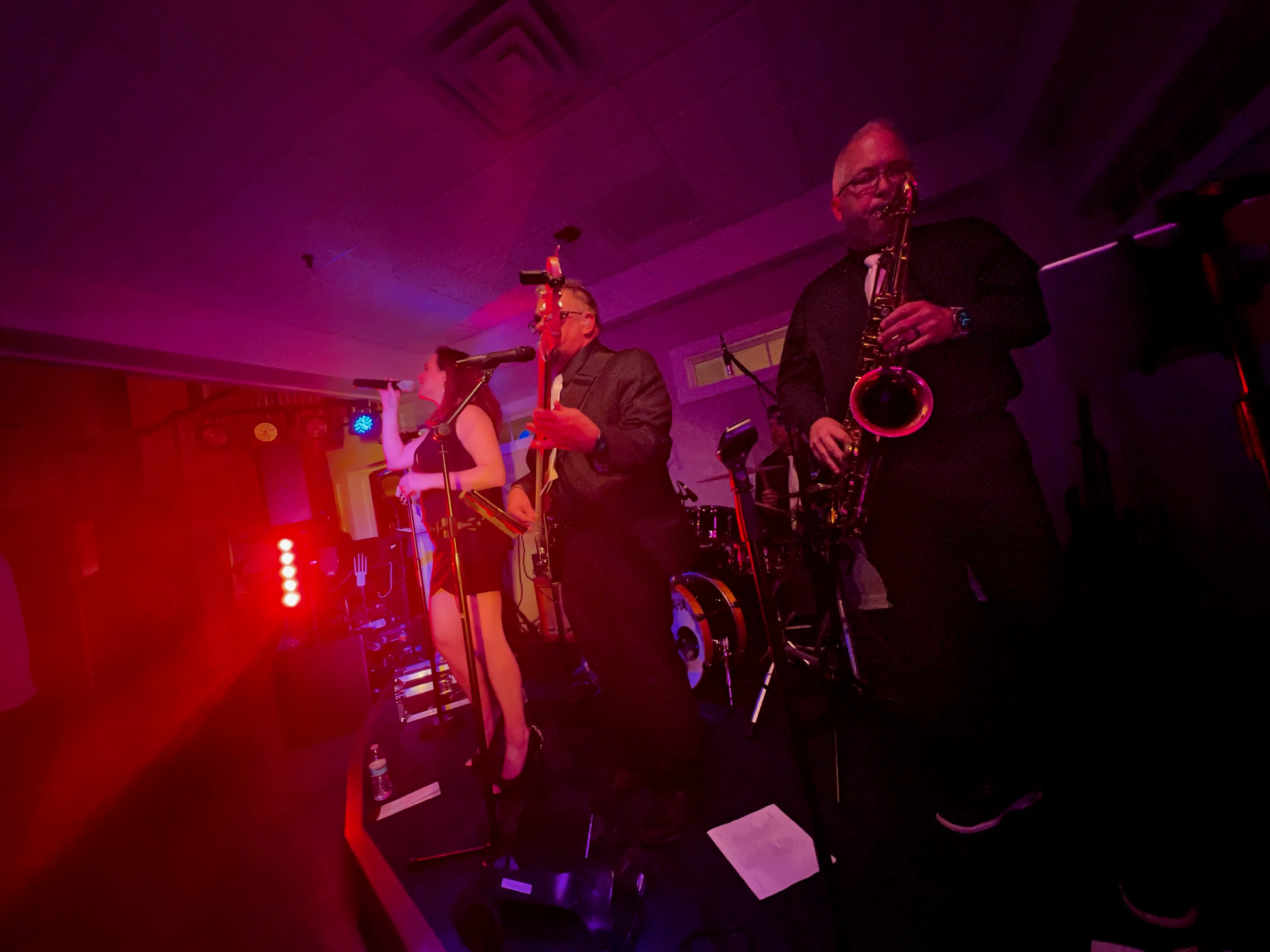
Bigg Romeo helps couples build a reception around the people in the room, not a generic checklist. Franco is a first-generation Italian American who is fluent in Italian, so he can help shape Italian-language moments and repertoire with the care they deserve. He also remains the clear master of ceremonies, guiding the key transitions so the music, announcements and family moments feel connected.
For couples who want both live performance and original recordings, Bigg Romeo can add a trusted DJ while Franco remains the master of ceremonies. That gives you flexibility without handing the microphone from one unrelated voice to another. Explore the band's partial song list, compare the two formats in our wedding band versus DJ guide, or check your date when you are ready to talk through your celebration.
Frequently asked questions
What Italian songs are played at weddings?
The right Italian wedding songs depend on the family, region, generation and mood of the celebration. Some couples choose an Italian song for a ceremony or first dance. Others save familiar singalongs and a tarantella-style moment for later, when guests are ready to join in. A short, well-placed group of songs usually feels more personal than a long themed set.
When should Italian music be played at a wedding reception?
Italian music can work during guest arrival, cocktail hour, dinner, a family dance, a reception entrance or a late-night celebration. The best placement depends on what the song is meant to do. A reflective song needs listeners and room to breathe. A lively singalong works best once the dance floor is ready for it.
Do you need a traditional Italian wedding song?
No. Tradition is an invitation, not a requirement. You can choose one song that means something to your family, several songs across the evening or none at all. The goal is a celebration that feels recognizably yours, not a checklist of customs.
Can Bigg Romeo include Italian music at a wedding?
Yes. Franco is a first-generation Italian American, fluent in Italian and able to help couples shape Italian-language moments and repertoire into a wedding plan that still feels like their own celebration. Bigg Romeo can also add a trusted DJ for original recordings or extended dancing while Franco remains the master of ceremonies.


